
From Commission to Calling
In mid-December of 2024, I was invited by Esther Armah to help develop a public-facing digital home exploring Black masculinity through a multimedia lens. What emerged as Moving Masculinity quickly revealed itself to be far more than a website. It became a living, breathing digital village, a place where Black men could gather, reflect, exchange ideas, challenge one another with love, and be held in the fullness of their humanity. From its earliest conception, the project carried the weight and promise of something communal, ancestral, and future-facing all at once.
“It became a living, breathing digital village, a place where Black men could gather, reflect, exchange ideas, challenge one another with love, and be held in the fullness of their humanity.”
At this stage of my career, I have learned to pay close attention to alignment, to projects that arrive not only with urgency but with intention and spiritual clarity. Moving Masculinity came to me during one of those seasons. My deep admiration for Esther’s vision, voice, and unwavering commitment to truth made this an assignment I felt called to steward rather than simply execute. This work required reverence, listening, and care beyond conventional design practices.
Lineage, Responsibility, and Personal Stakes
As a Black woman, designer, and director, my relationship to this project was both professional and deeply personal. I was raised with a strong and affirming example of Black masculinity. My father was a loving husband to my mother, a devoted father, a businessman, and a servant leader. That lineage shaped my understanding of the importance of safety, care, and accountability for men. It also shaped how seriously I felt this responsibility, not only for the men whose stories are shared here, but for my husband Steve and my son Marcus, who will be watching, learning from, and inheriting what this site represents.
Design That Refuses Harm
Moving Masculinity explores grief, tenderness, power, empathy, accountability, and healing, not by centering the language of “toxic masculinity,” but by creating space for connection and wholeness. It acknowledges the legacy of untreated trauma while refusing to reduce Black men to it. As Website Director, my role was to ensure that the design did not cause harm, that it listened first, held gently, and allowed room to breathe. Every visual choice, interaction, and flow was guided by the same questions: Does this feel safe? Does this feel human?
“My role was to ensure that the design did not cause harm, that it listened first, held gently, and allowed room to breathe.”
This intention is reflected in the brand identity itself. Moving Masculinity is visually grounded in the afro pic mark formed by the two M’s, drawing from African-inspired and Adinkra symbolism. The circular head represents wholeness, continuity, and self-awareness, while the afro pic signifies care, preparation, and cultural pride passed down through Black ancestral lineages. Together, these elements frame masculinity as rooted yet evolving, balanced and intentional, and guided by embodied memory. Within this form, the mirrored M’s also subtly echo the shape of a woman’s breasts, an intentional reference to nourishment, mothering, and the often-unacknowledged role of nurturing in the formation of masculinity. The mark is not decorative; it is declarative, signaling lineage, grounding, and the possibility of growth.
Midwifery, Memory, and Collective Making
There is a sacred responsibility in creating spaces designed to hold men, especially Black men, with care. In many ways, Esther, my administrative assistant Judy Allen, and I approached this work as midwives, positioned to help birth something larger than ourselves. Through God’s grace, the project has been carried to term with professional rigor and spiritual sensitivity, fully aware that what we were shaping would extend far beyond the launch.
That alignment continued with the broader gifted creative partnership, including Vincent Braithwaite, whose lived experience as a Black Caribbean man, as well as his talent in UI/UX design and technical vision, brought essential depth to the work. His empathy and precision helped translate intention into a site that feels alive, responsive, thoughtful, and grounded.
The stories themselves, including Brotha Notes, How We Hold It, reflections on emotional inheritance, affirmations for Black 16-year-old boys, and explorations of tenderness and turmoil, reshaped me. They expanded my understanding of how to honor Black men not only through language, but through structure, pacing, and visual care.
“This project affirms that design can be an act of love, that holding space is a discipline, and that when we lead with heart, humility, and intention, what we create can become a place of healing for others and for ourselves.”
ABOUT THE WRITER
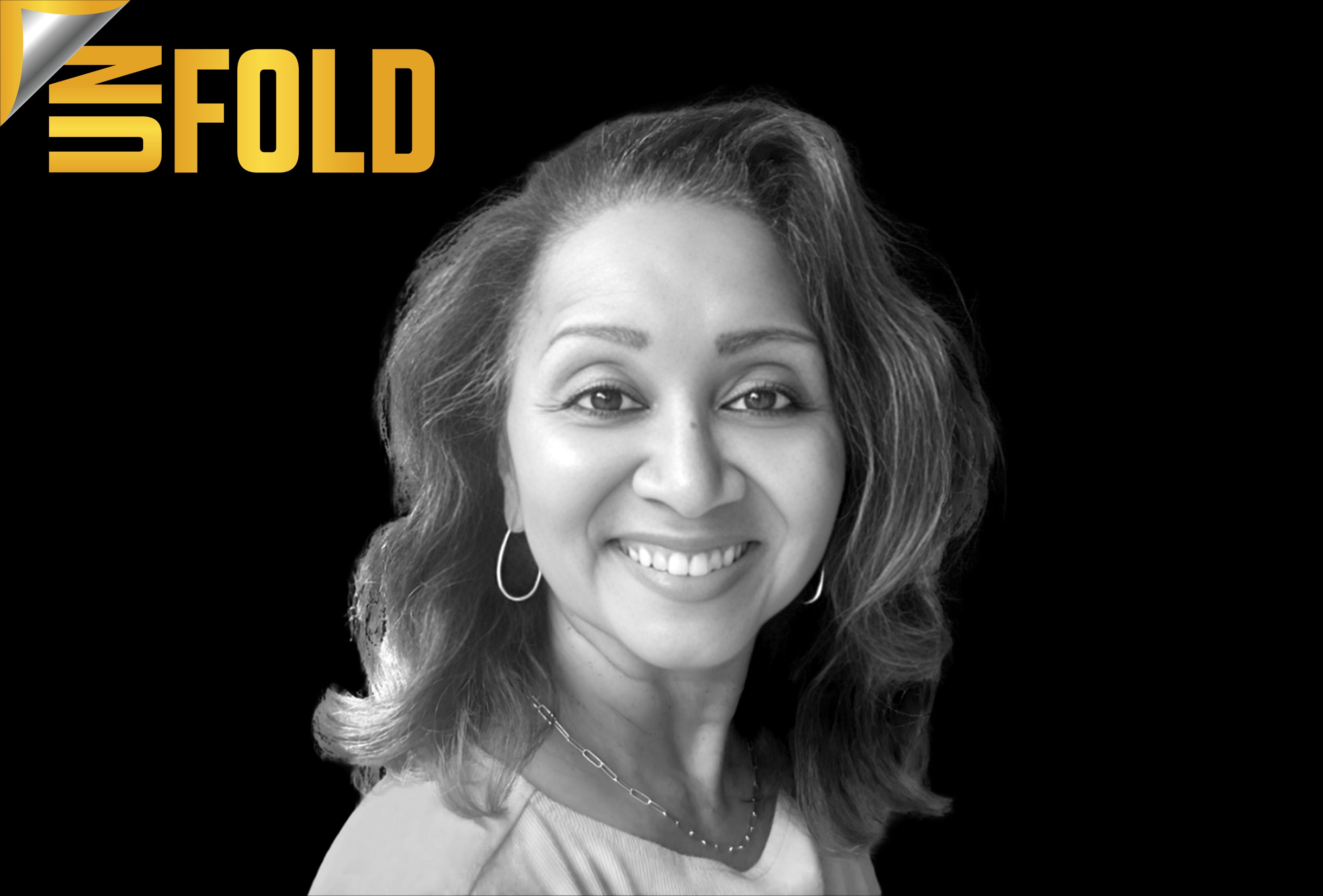
RENE PAYNE is Founder of Included by Favor, and the Website Director for MOVING MASCULINITY: The Emotional Justice Digital Village.www.movingmasculinity.com